
Regenerative Cell Therapy for Peripheral Neuropathies
LFR-1501 is an investigational allogeneic neuronal regeneration-promoting cell (NRPC) therapy being developed for the treatment of peripheral neuropathies. The program initially focuses on Charcot-Marie-Tooth disease type 1 (CMT1), with future development planned for diabetic neuropathy (DN). Although these diseases arise from different underlying causes, both ultimately lead to progressive peripheral nerve injury, impaired nerve function, and declining mobility. LFR-1501 is designed to support peripheral nerve repair and regeneration through specialized cells with characteristics associated with Schwann cells.
Peripheral neuropathies encompass a diverse group of disorders that damage the peripheral nervous system. While the initiating causes differ, many neuropathies share common biological features, including Schwann cell dysfunction, myelin injury (demyelination), impaired nerve conduction, axonal degeneration, and progressive loss of sensory and motor function. These shared mechanisms contribute to muscle weakness, balance impairment, reduced mobility, and diminished quality of life.
LFR-1501 is being developed to address these downstream regenerative challenges rather than the specific genetic or metabolic cause of disease.
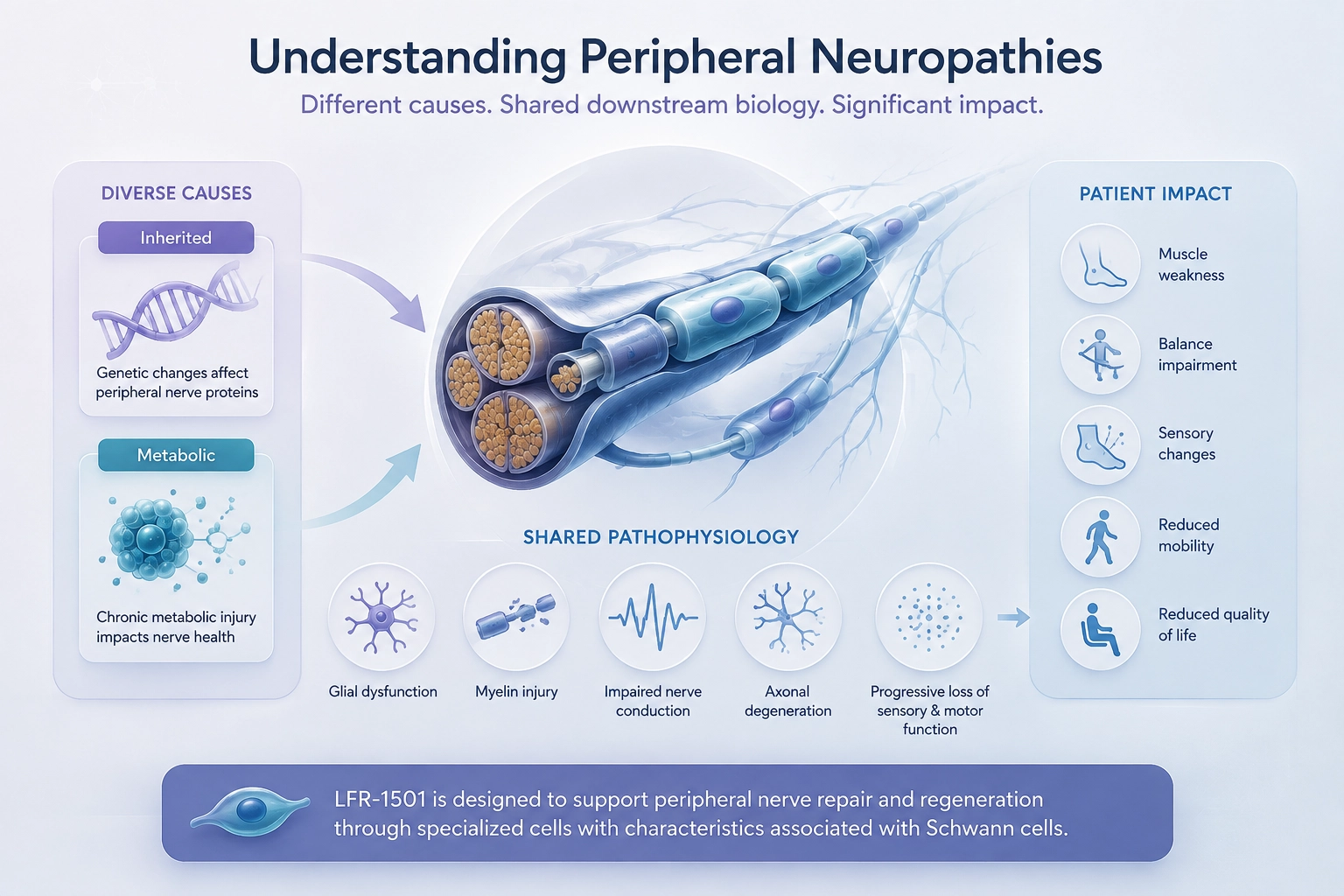
Inherited mutations affecting proteins involved in peripheral myelin disrupt Schwann cell function and lead to progressive demyelination. As myelin deteriorates, nerve conduction slows, resulting in muscle weakness, sensory impairment, and gradually worsening disability. Despite advances in understanding the genetics of CMT1, current treatment remains largely supportive.
DN develops through chronic metabolic injury associated with diabetes. Persistent hyperglycemia contributes to damage affecting Schwann cells, peripheral nerves, and the surrounding tissue environment. Over time, progressive nerve dysfunction results in sensory abnormalities, pain, muscle weakness, and impaired physical function.
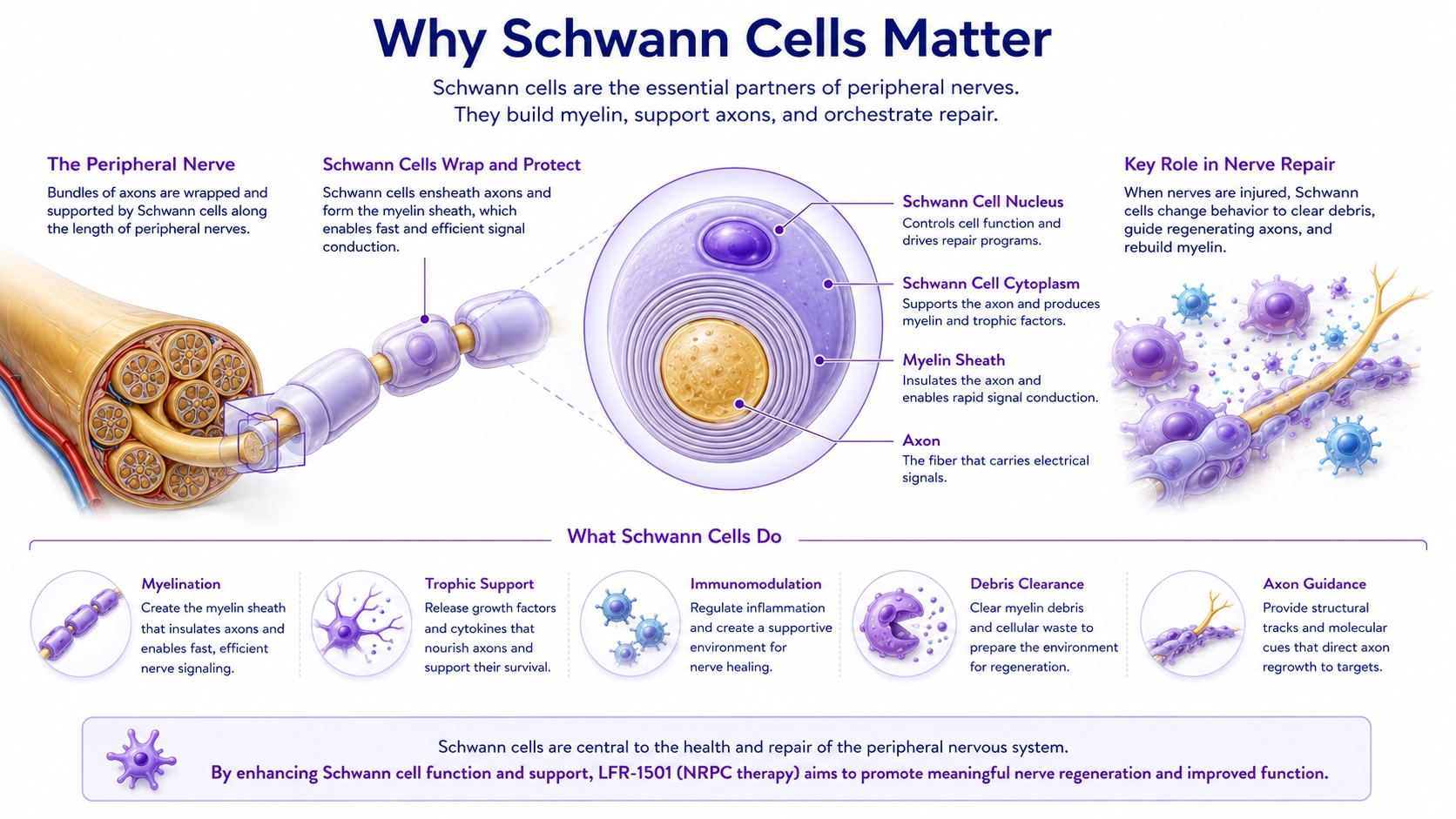
Schwann cells are essential for maintaining healthy peripheral nerves. They generate and maintain the myelin sheath, support axonal function, coordinate nerve repair following injury, and contribute to a regenerative tissue microenvironment. When Schwann cell function is compromised, peripheral nerves lose much of their ability to maintain efficient signaling and recover from injury.
LFR-1501 is an investigational allogeneic NRPC therapy composed of specialized cells with characteristics associated with Schwann cells. In preclinical studies, these cells demonstrated properties associated with peripheral nerve repair, including support for neurite outgrowth, remyelination, secretion of regenerative signaling molecules such as hepatocyte growth factor (HGF), and promotion of a tissue microenvironment that may facilitate nerve repair. Following intramuscular administration, the cells were primarily detected near the injection site, supporting localized biological activity.
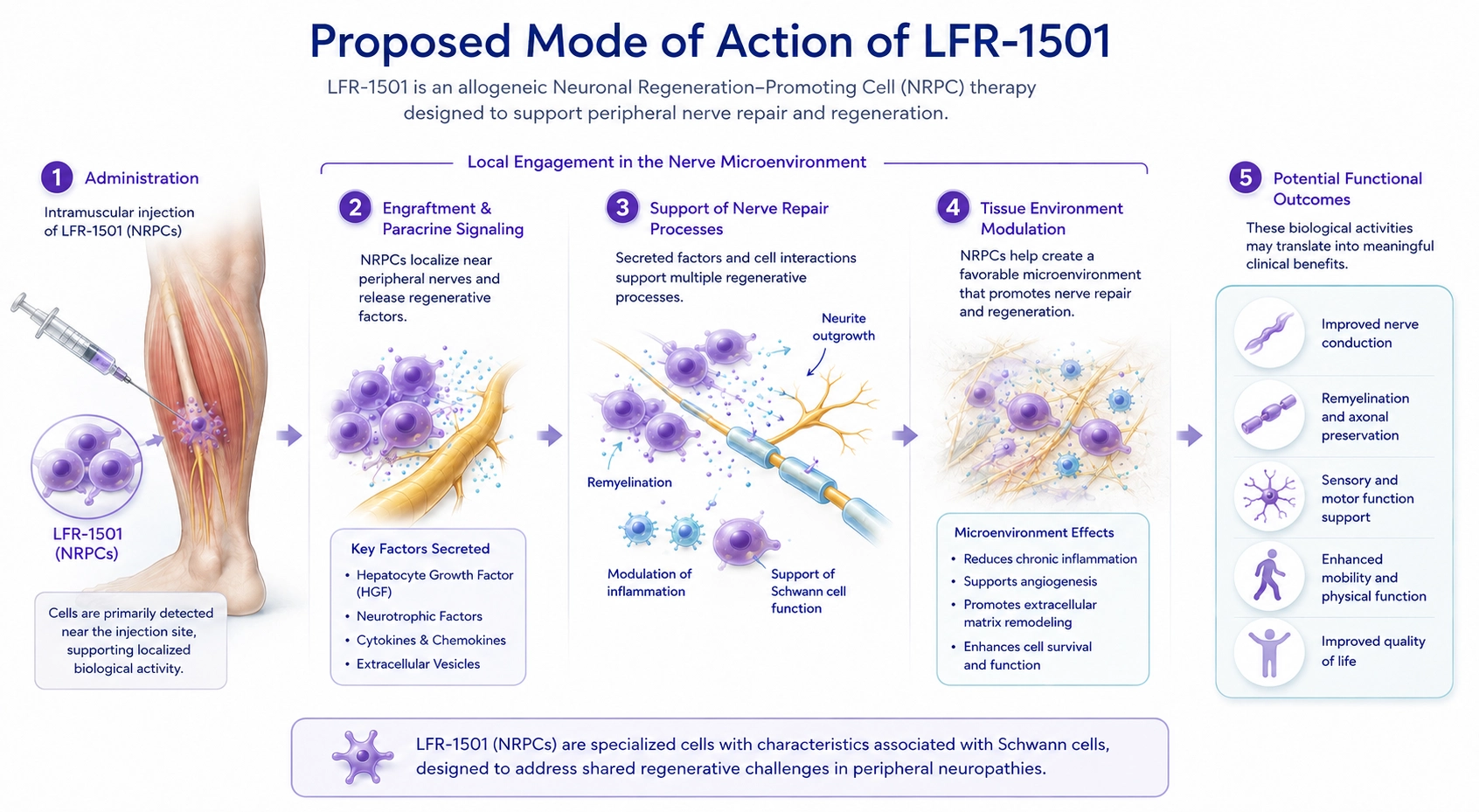
Although CMT1 and DN arise from different underlying causes, both are characterized by progressive peripheral nerve dysfunction that can significantly impair mobility, sensation, and quality of life. LFR-1501 is being developed to address the shared regenerative challenges associated with these debilitating neuropathies.
Explore each disease to learn more about its underlying biology, clinical manifestations, current treatment landscape, and the unmet medical need that LFR-1501 is designed to address.
Learn more about the genetics, disease progression, signs and symptoms, diagnosis, and current treatment landscape for CMT1.
Learn more about DN, including how chronic diabetes affects peripheral nerves, the impact on patients, and the current therapeutic landscape.