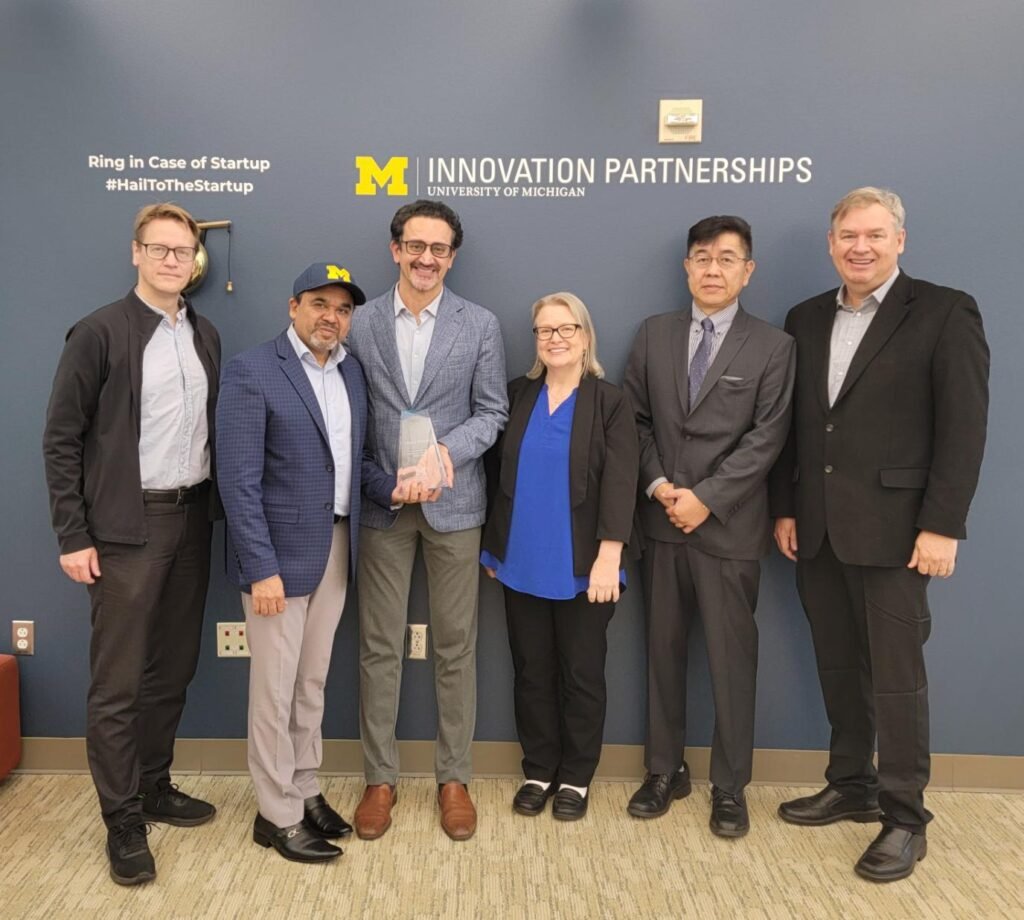
Liferna’s integrated global partner network is designed to accelerate development, expand access, and support long-term commercialization success. Through strategic collaborations with innovators including Cell Therapeutics, Cellatoz, and University of Michigan, together with leading contract research, manufacturing, and supply partners (CRO, CMO, and CSO partners — TBD), we bring together scientific expertise, clinical execution, manufacturing excellence, and commercialization capabilities to advance life-changing medicines globally.
Our collaboration model extends beyond development to include regional clinical development support, clinical and commercial supply capabilities for emerging and advanced markets, and a scalable manufacturing strategy designed to strengthen supply continuity and support future global demand. United by a shared commitment to patients, we work across disciplines and geographies to accelerate access to transformative medicines worldwide.
LFR-1501 LFR-1501 is an investigational regenerative cell therapy being developed for the treatment of Charcot-Marie-Tooth disease type 1 (CMT1), an inherited peripheral neuropathy characterized by progressive damage to the peripheral nerves.
Charcot-Marie-Tooth disease type 1 is the most common form of Charcot-Marie-Tooth disease, a group of inherited disorders that affect the peripheral nerves responsible for muscle movement and sensation. Progressive damage to these nerves can lead to muscle weakness, impaired balance, foot deformities, and reduced hand function, making everyday activities increasingly difficult over time. Symptoms often begin during childhood or early adulthood and gradually worsen throughout life.
Currently, there are no approved disease-modifying therapies that address the underlying nerve damage associated with CMT1. Treatment is primarily supportive and may include physical therapy, orthotics, assistive devices, and orthopedic interventions aimed at preserving mobility and function. Additional therapeutic approaches are needed to address the underlying disease and improve long-term outcomes for individuals living with CMT1.
LFR-1501 LFR-1501 is an investigational regenerative cell therapy being developed for the treatment of diabetic peripheral neuropathy (DPN), a common complication of diabetes that results from progressive damage to the peripheral nerves.
Diabetic peripheral neuropathy is one of the most common long-term complications of diabetes and develops as prolonged elevated blood glucose levels damage the peripheral nerves. The condition most often affects the feet and legs, but it can also involve the hands and arms. Patients may experience numbness, tingling, burning pain, reduced sensation, muscle weakness, and impaired balance, increasing the risk of falls, foot ulcers, infection, and lower-extremity amputation. These symptoms can substantially affect mobility, independence, and overall quality of life.
Current management focuses primarily on optimizing blood glucose control, reducing neuropathic pain, and preventing complications through comprehensive foot care and lifestyle interventions. While several therapies are available to help manage symptoms, there are currently no approved regenerative treatments that restore damaged peripheral nerves or reverse the underlying disease process. Continued research into regenerative approaches may help expand future treatment options for individuals living with diabetic peripheral neuropathy.
LFR-1502 LFR-1502 is an investigational regenerative cell therapy being developed for the treatment of osteoarthritis (OA), a degenerative joint disease characterized by the progressive breakdown of cartilage and other joint tissues.
Osteoarthritis is the most common form of arthritis and affects millions of people worldwide. The disease is characterized by the gradual deterioration of articular cartilage, changes in the underlying bone, and inflammation within the joint, which can lead to pain, stiffness, swelling, and reduced mobility. As osteoarthritis progresses, these symptoms may make everyday activities—including walking, climbing stairs, and exercising—increasingly difficult and can significantly affect quality of life.
Current treatment focuses on relieving symptoms and maintaining joint function through a combination of lifestyle modifications, physical therapy, medications, intra-articular injections, and, in advanced cases, joint replacement surgery. While these approaches may help reduce pain and improve function, they do not restore damaged cartilage or alter the underlying disease process. Ongoing research into regenerative therapies seeks to develop new treatment approaches that may help preserve joint function and address the underlying causes of osteoarthritis.
LFR-1201 LFR-1201 is an investigational small molecule therapy being developed through the U.S. FDA’s 505(b)(2) regulatory pathway for the treatment of idiopathic pulmonary fibrosis (IPF).
Idiopathic pulmonary fibrosis is a chronic, progressive lung disease characterized by the formation of scar tissue within the lungs. As the disease advances, lung function declines, making it increasingly difficult for patients to breathe and perform everyday activities. IPF is associated with substantial morbidity and mortality, and despite available treatments, many patients continue to experience disease progression. Additional therapeutic options are needed to help address the underlying fibrotic process and improve outcomes for individuals living with IPF.
LFR-1201 LFR-1201 is an investigational small molecule therapy being developed through the U.S. FDA’s 505(b)(2) regulatory pathway for patients with systemic sclerosis (SSc).
Systemic sclerosis is a rare chronic autoimmune disease characterized by progressive fibrosis of the skin and internal organs, as well as abnormalities of the blood vessels and immune system. Patients may experience skin thickening, pain, fatigue, reduced mobility, and potentially serious organ involvement that can significantly impact quality of life. Despite available treatment approaches that help manage symptoms and complications, there remains a need for additional therapies that address the underlying disease process and improve outcomes for individuals living with systemic sclerosis.